How Older People Can Stay Cool, Hydrated and Safe During This Week's Hot Weather
Older people urged to stay cool, hydrated and alert for signs of heat exhaustion as hot weather continues across Ireland.

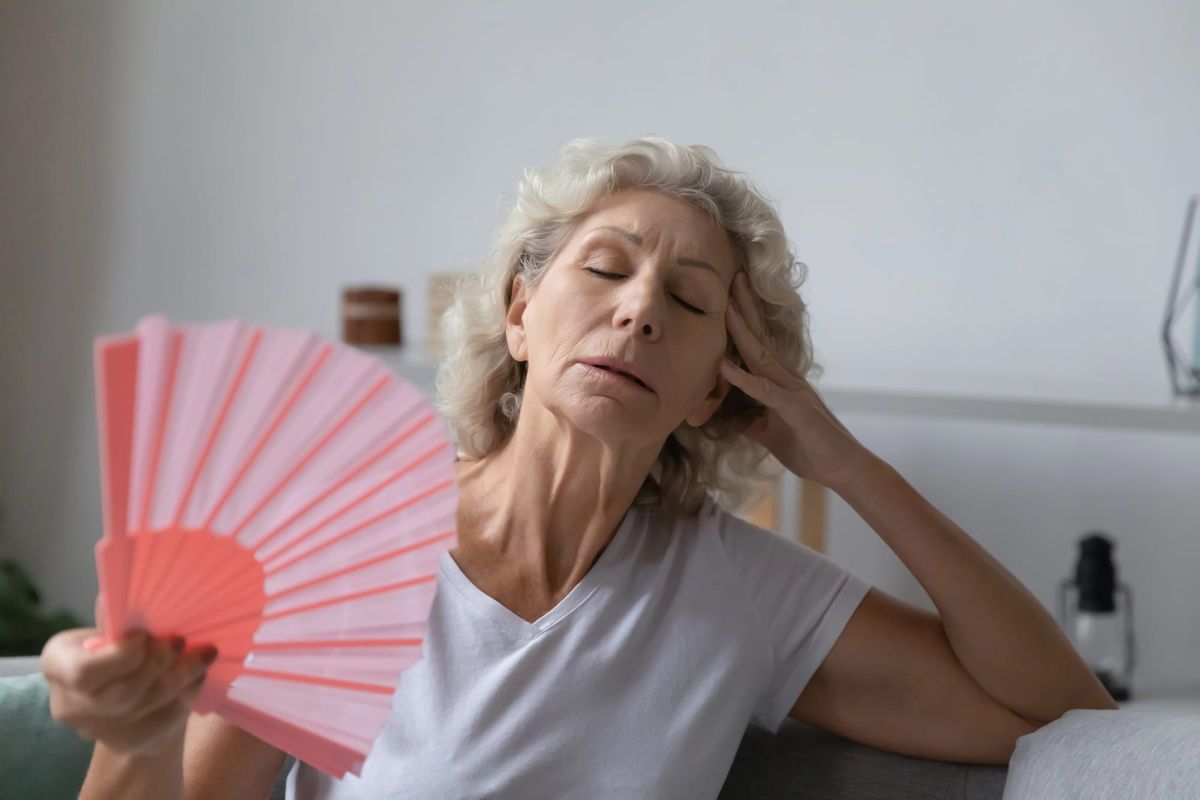
Ireland is in for a further spell of very warm to hot weather this week, and older people, along with those who care for them, are being encouraged to take a few simple steps to stay safe. Advice from the Minister for Older People and national health guidance sets out how to stay cool, stay hydrated and recognise the warning signs of heat-related illness.
According to Met Éireann's latest national forecast, Ireland is expected to experience a prolonged spell of very warm or hot weather over the coming week.
Kieran O'Donnell TD, Minister for Older People:
"Ireland is experiencing a further week of very high temperatures. Heat stress, heat exhaustion and heatstroke can have potentially serious health consequences for people during a heatwave. I would urge older people, and those caring for someone, to take precautions to protect themselves such as staying cool and hydrated, and to be on alert for signs of heat exhaustion and dehydration.
Small actions can make a significant difference: encouraging drinking water regularly, keeping homes as cool as possible, avoiding unnecessary time outdoors during the hottest part of the day, and watching for signs that someone is becoming unwell. If there is any concern, people should seek advice from a GP or pharmacist, and in an emergency call 112 or 999. Many older people may not ask for help or may not realise how quickly heat can affect their health. A short phone call, a visit, or offering to collect groceries or medication can make a real difference. I encourage everyone to look out for older relatives, friends and neighbours during this hot weather. It is important to remember that your GP or pharmacist will be able to advise you if any of your medicines might make you more likely to become ill from the heat."
Staying cool matters most through the middle of the day. Spend time in the coolest room of the house, keep curtains closed while the sun is up, and open windows at night once the air outside feels cooler than inside. If you have to go out, try to avoid 11am to 3pm, stick to the shade where you can, and apply a sunscreen of at least SPF 30 generously.
Hydration is just as important as staying cool. Drink water regularly through the day even if you do not feel thirsty, and cut back on alcohol and caffeine. A cool shower or a damp cloth on the skin can also help bring body temperature down.
Light, loose fitting clothing and a wide brimmed hat make a real difference outdoors, and it is worth choosing fabrics that let the skin breathe.
Some people are more at risk than others during hot weather. National guidance highlights those aged over 65, people living alone or in residential care, and anyone with a long-term condition such as heart, lung or kidney disease, diabetes or dementia. People taking medication that affects the heart, kidneys, sweating or cognition should ask their GP or pharmacist whether it could make them more vulnerable in the heat.
For anyone caring for an older relative or neighbour, small gestures help. Encourage drinking at mealtimes, or make it a social occasion such as a cup of tea, and offer foods with a high water content like melon, ice cream or jelly. A short call or a visit to check in can be enough to catch a problem early.
Watch for dizziness, headaches, nausea, confusion, disorientation, a lack of urination or an increased heart rate, as these can be signs of heat exhaustion or heatstroke. Anyone experiencing these symptoms should contact their GP or pharmacist for advice. In an emergency, call 112 or 999 immediately.
Further guidance for vulnerable groups during hot weather is available through the Government's Be Summer Ready campaign, the HSE and the Health Protection Surveillance Centre.