Unlicensed Gambling Sites Are Still Reaching Irish Consumers Despite New GRAI Powers
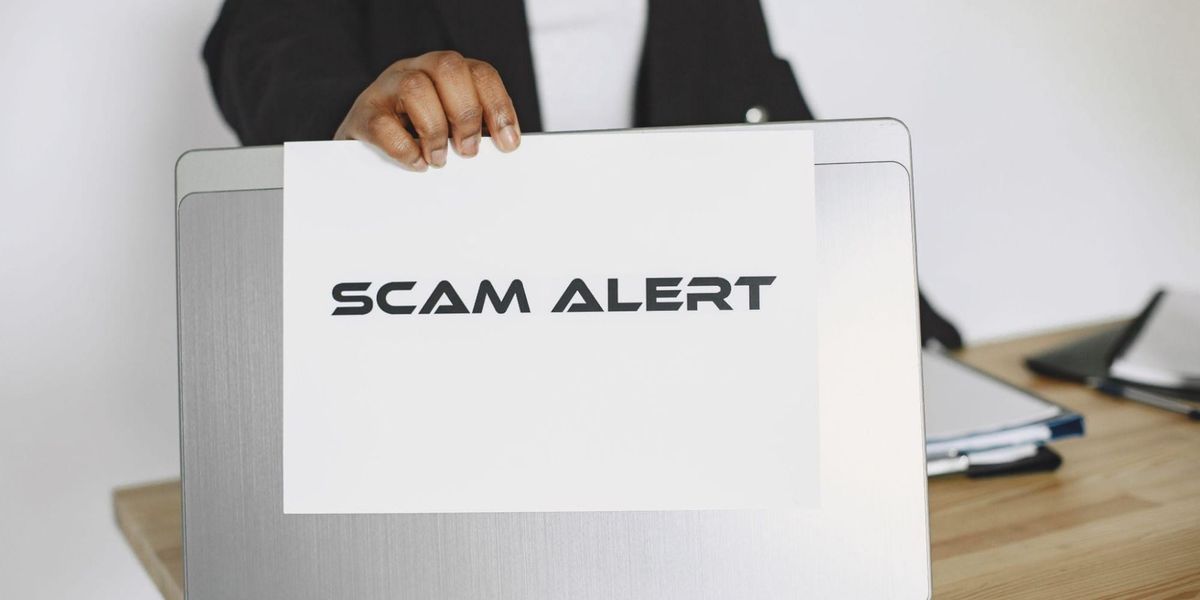
Ireland's gambling market has spent the past year gaining a proper regulator, but that hasn't stopped fraudulently licensed operators from finding their way to Irish customers. According to Irish Examiner reporting from earlier this year, sites such as Gambana.com have been marketed to Irish bettors while holding a licence from the Anjouan Offshore Finance Authority, a body the Central Bank of Comoros itself has called "fictitious" since 2022. The site has no licence to operate here at all, yet the badge on its homepage looks official enough that most people would never think to check it.
A Badge That Looks Official, But Isn't
That's the real danger: a fraudulent licence rarely announces itself. The Examiner's review of one such operator found account terms allowing just 72 hours to dispute a bet, an outright ban on VPN use that would otherwise let a customer prove their location, and a $50 cap on winnings from any bonus, regardless of the stake behind it. None of that would survive contact with an actual Irish regulator, which is exactly why it's worth knowing which sites are properly checked before you ever hand over card details. Casinos.com keeps a running list of best casino sites Ireland, filtered specifically for operators holding a current Irish licence rather than one borrowed from an obscure offshore register.
Ireland's New Rulebook
The regulator behind that distinction didn't exist in its current form eighteen months ago. The Gambling Regulatory Authority of Ireland opened its licensing regime on 9 February this year, and its remote betting and betting intermediary licences formally commenced on 1 July. Licensed operators must now verify customer age, ban credit-funded betting, and close accounts on request, obligations that a site running on a Comoros paper trail was never going to meet.
GRAI Isn't Short on Teeth
It isn't short on enforcement options either. In comments carried by RTÉ News in July, GRAI chief executive Anne Marie Caulfield confirmed the authority can now impose fines of up to €20 million, or 10% of an operator's turnover, suspend or revoke a licence outright, and seek a High Court blocking order against a site that refuses to withdraw from the Irish market. She added that in most cases so far, operators have pulled out once GRAI made contact, rather than risk that outcome playing out in court.
Caulfield's team is also working with Coimisiún na Meán to secure "trusted flagger" status, which would let suspect sites be reported for faster removal than a court order currently allows. The scale of what's under review keeps growing: separate reporting has confirmed GRAI opened a review this summer into 145 gambling sites linked to a single operator group, Soft2Bet, on top of the action already taken against smaller operators like Gambana. Until trusted flagger status is in place, spotting a dodgy licence still falls partly on the person about to hand over their card details.
What To Check Before You Sign Up
A few checks take less time than reading the terms and conditions in full. A genuine Irish operator will show a GRAI or Revenue-issued licence number, not a certificate from a regulator you've never heard of. It won't ban VPNs, since that only stops a customer proving where they are, not the operator proving where it is. And it won't cap winnings buried three pages into a document most people never open. Payment details are worth a second look too: a licensed Irish operator can't take credit-card deposits under the 2024 Act, so a site still offering credit as a funding option is either unaware of the rules or ignoring them.
None of this requires much time, just the habit of checking before committing. The Examiner's reporting noted that one Irish influencer who had been promoting Gambana stopped only after learning the site was operating illegally here, which suggests the gap isn't really about people being careless. It's that a licence badge from an obscure regulator and a licence badge from GRAI look almost identical to anyone who hasn't been told what to look for.
The Same Pattern As Every Other Consumer Scam
That kind of due diligence sits alongside other consumer checks worth doing before you hand anything over. We flagged something similar in our recent report on high-risk synthetic cannabinoids turning up in vapes sold across Ireland, where products marketed as ordinary CBD turned out to contain substances linked to serious health harm. What's on the label, or the licence badge, isn't always what's actually being sold.
SP